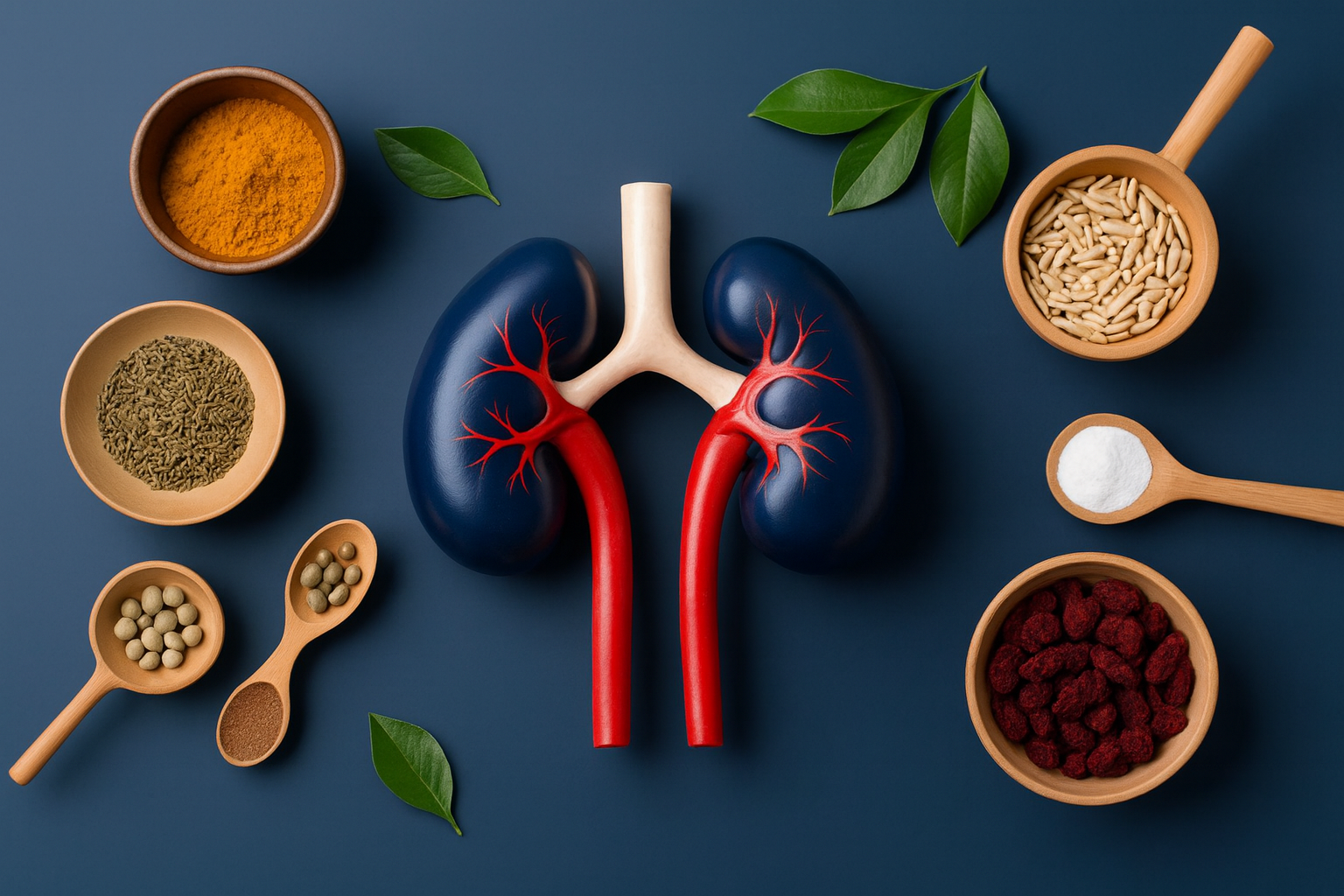
Why ‘Mutravaha Srotas’ Matters: Kidney Health in Ayurveda
Why ‘Mutravaha Srotas’ Matters: Kidney Health in Ayurveda
In Ayurveda, kidney health is understood through a much deeper lens than just filtration and urine output. The system responsible for urine formation and elimination is called Mutravaha Srotas—a vital channel that keeps the body free from toxins and maintains internal balance. When this channel functions smoothly, the kidneys, bladder, and urinary pathways remain healthy. But when it becomes disturbed, early warning signs begin to appear long before a medical diagnosis.
What Is Mutravaha Srotas?
Mutravaha Srotas refers to the network of channels connected to urine formation, storage, and elimination. It is closely linked with the kidneys, bladder, ureters, and hormonal regulation of fluids. According to Ayurvedic texts, its roots lie in the Basti (urinary bladder) and Medhra (urinary tract openings).
These channels help:
- Remove waste and excess fluids
- Maintain electrolyte balance
- Support blood purification
- Regulate body temperature and hydration
How Does Mutravaha Srotas Get Imbalanced?
Several lifestyle and dietary factors can disturb this system, including:
- Insufficient water intake
- Excessive salty, spicy, and sour foods
- Holding urine for long durations
- Chronic stress or irregular sleep
- Overuse of painkillers or chemical-based supplements
- Recurrent urinary infections or kidney stone history
When imbalance develops, early symptoms may include:
- Burning or discomfort while urinating
- Reduced urine output or dark urine
- Lower back or flank heaviness
- Swelling in feet or under-eye puffiness
- Frequent urination at night
Ignoring these signs can eventually weaken kidney function.
Ayurvedic Approach to Supporting Mutravaha Srotas
Ayurveda focuses on restoring balance through gentle, natural methods:
- Staying hydrated according to thirst
- Including coriander water, barley (yava), gokshura, and punarnava under expert guidance
- Reducing salty and processed foods
- Maintaining regular bowel movements
- Practicing stress-relief like pranayama and proper sleep routines
Need Personalized Kidney Care?
Book a free consultation with our kidney specialists today.