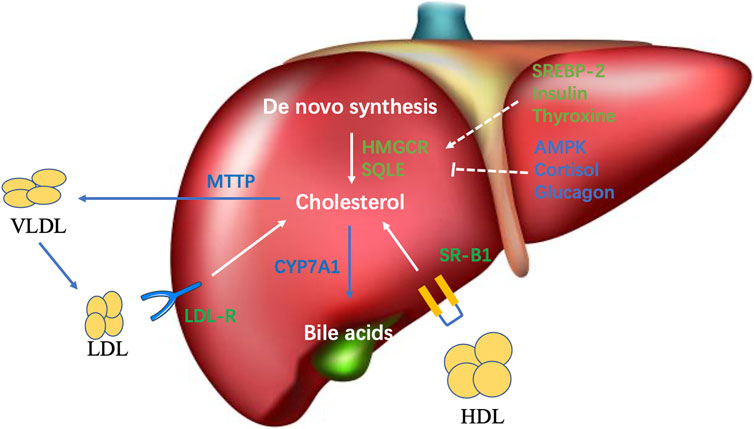
What is the Connection Between High Cholesterol and Fatty Liver?
In today’s fast-paced world, lifestyle diseases like high cholesterol and fatty liver are becoming alarmingly common. These two conditions might seem unrelated, but they are intricately connected, often exacerbating each other. Understanding this connection is crucial to managing your health effectively and avoiding long-term complications.
Understanding High Cholesterol
What is Cholesterol?
Cholesterol is a waxy, fat-like substance found in your blood. While it’s essential for building cells and producing hormones, too much of it can pose serious health risks.
Types of Cholesterol
- LDL (Low-Density Lipoprotein): Often called "bad cholesterol," LDL contributes to plaque buildup in arteries.
- HDL (High-Density Lipoprotein): Known as "good cholesterol," HDL helps remove excess cholesterol from the body.
- Triglycerides: A type of fat in the blood, high levels of which can increase the risk of heart disease and fatty liver.
Causes of High Cholesterol
High cholesterol can result from various factors, including:
- A diet rich in saturated fats and trans fats.
- Sedentary lifestyle.
- Genetic predisposition.
What is Fatty Liver?
Definition of Fatty Liver
Fatty liver occurs when excess fat accumulates in liver cells. It can progress silently, often showing symptoms only in advanced stages.
Types of Fatty Liver Disease
- Alcoholic Fatty Liver Disease (AFLD): Caused by excessive alcohol consumption.
- Non-Alcoholic Fatty Liver Disease (NAFLD): Unrelated to alcohol, often linked to obesity and metabolic syndrome.
Symptoms of Fatty Liver
Common symptoms include:
- Persistent fatigue.
- Pain or discomfort in the upper right abdomen.
- Unexplained weight loss in severe cases.
Risk Factors for Fatty Liver
The condition is more likely if you have:
- Obesity or diabetes.
- High levels of triglycerides or LDL cholesterol.
The Connection Between High Cholesterol and Fatty Liver
How High Cholesterol Affects the Liver
Excess LDL cholesterol can lead to fat deposits in the liver, causing inflammation and scarring.
Role of Triglycerides in Fatty Liver
High triglyceride levels are a direct contributor to fatty liver, increasing fat accumulation in liver cells.
Link Between LDL and Liver Fat Accumulation
LDL plays a key role in metabolic dysfunction, which often leads to both cardiovascular issues and fatty liver.
The Impact of High Cholesterol on Liver Function
Inflammation and Liver Damage
Chronic inflammation caused by high cholesterol can result in liver damage over time.
Development of Cirrhosis
Untreated fatty liver may lead to cirrhosis, where healthy liver tissue is replaced by scar tissue.
Potential for Liver Cancer
In severe cases, the combination of high cholesterol and fatty liver increases the risk of liver cancer.
Diagnosing the Connection
Common Diagnostic Tests
Doctors often use:
- Blood tests to check cholesterol and liver enzyme levels.
- Liver ultrasound or MRI to detect fat deposits.
Identifying Early Signs
Spotting symptoms early, like persistent fatigue or elevated cholesterol levels, is key to prevention.
Treatment Options
Lifestyle Changes
- Diet Modifications: Incorporate fiber-rich foods, avoid saturated fats, and focus on lean proteins.
- Importance of Exercise: Regular physical activity helps manage both cholesterol and liver fat.
Medications
- Statins and other medications can lower LDL cholesterol effectively.
- Consult your doctor for tailored treatment plans.
Role of Ayurvedic and Alternative Medicine
Natural remedies like turmeric and milk thistle are believed to support liver health and cholesterol management.
Prevention Tips
Healthy Eating Habits
Opt for a Mediterranean diet, which is rich in healthy fats and antioxidants.
Regular Physical Activity
Aim for at least 30 minutes of moderate exercise daily to maintain overall health.
Monitoring Cholesterol Levels
Routine check-ups ensure early detection and management.
Conclusion
The connection between high cholesterol and fatty liver is undeniable. Both conditions share common causes and often coexist, amplifying health risks. By adopting a healthier lifestyle, seeking timely medical advice, and staying proactive, you can effectively manage and even reverse these conditions.
FAQs
What foods should I avoid to reduce cholesterol and fatty liver risk?
Avoid processed foods, sugary drinks, and fried items that contribute to fat accumulation.
Can high cholesterol directly cause fatty liver?
While not directly, high cholesterol, especially elevated triglycerides, significantly increases fatty liver risk.
How long does it take to reverse fatty liver?
With consistent lifestyle changes, fatty liver can often be reversed within six months to a year.
Are there specific medications for both conditions?
Statins help manage cholesterol and indirectly improve liver health, but consult your doctor for a personalized plan.
Is fatty liver reversible without medication?
Yes, through dietary changes, weight loss, and regular exercise, many cases of fatty liver are reversible.
Need Personalized Kidney Care?
Book a free consultation with our kidney specialists today.