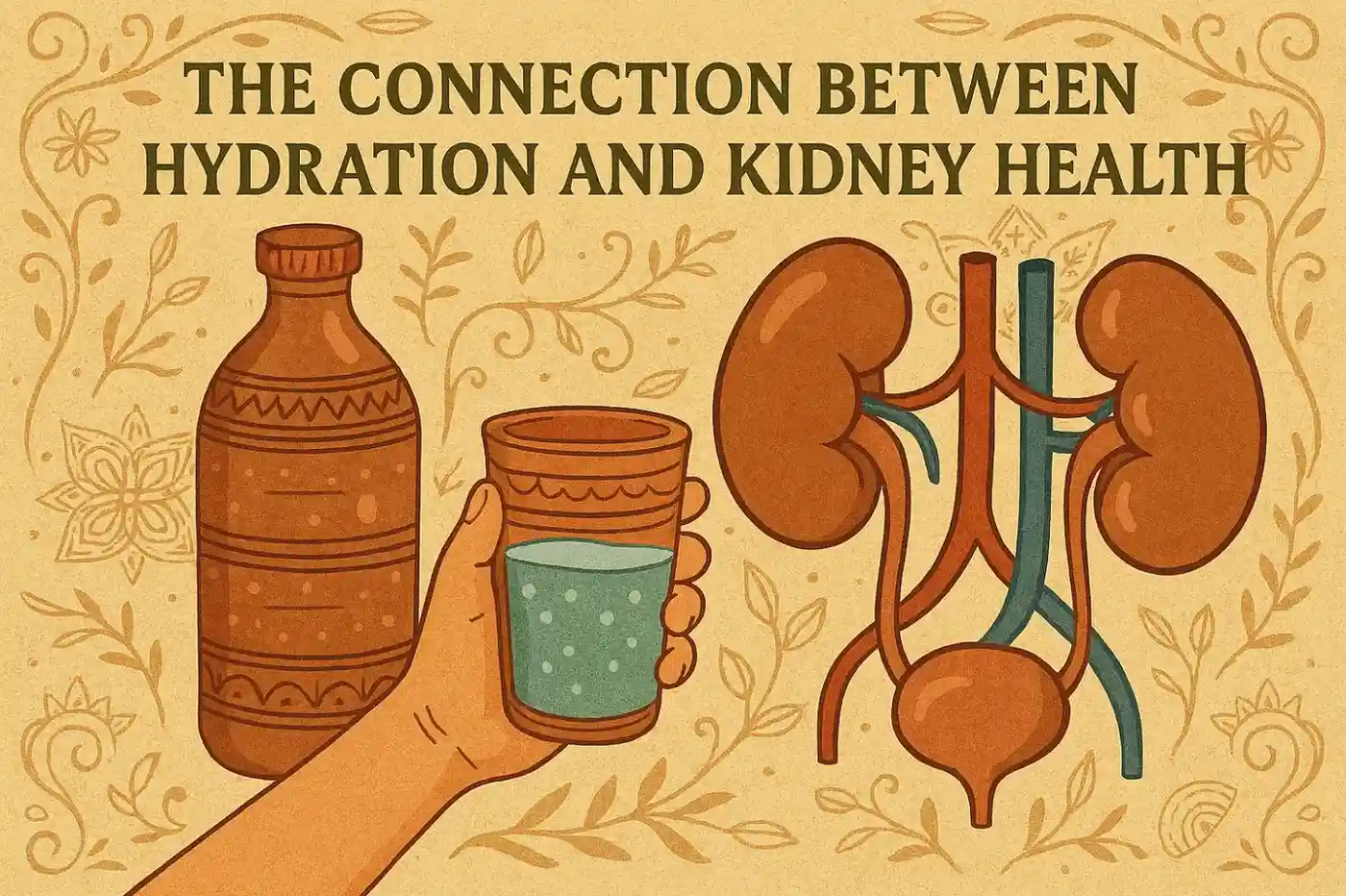
The Connection Between Hydration and Kidney Health
The Connection Between Hydration and Kidney Health
The kidneys are extremely important organs in our body. They purify the blood, remove toxins, and maintain fluid balance in the body. For the kidneys to function properly, drinking an adequate amount of water is essential. There is a strong connection between hydration (fluid balance) and kidney health, and understanding this is important for everyone.
When we drink enough water, it becomes easier for the kidneys to filter waste products from the blood and eliminate them through urine. Water dilutes the urine, preventing uric acid, sodium, and other toxins from accumulating in the body. If the body becomes dehydrated, the urine becomes more concentrated, putting extra pressure on the kidneys. Prolonged dehydration can increase the risk of kidney stones and urinary tract infections.
Adequate water intake also helps prevent kidney stones. When the body lacks sufficient water, calcium, oxalate, and other minerals become more concentrated in the urine, increasing the likelihood of stone formation. Drinking water regularly helps dissolve these minerals and flush them out easily, reducing the risk of stone development.
The effects of dehydration are not limited to kidney stones. Long-term lack of water can impair kidney function and, in severe cases, increase the risk of Chronic Kidney Disease (CKD). Therefore, drinking enough water daily is essential for the long-term protection of kidney health. Generally, a healthy adult is advised to drink about 2 to 3 liters of water per day, although this amount may vary depending on age, weather, physical activity, and overall health condition.
To maintain proper hydration, not only water but also coconut water, buttermilk, lemon water, and fresh fruits can be beneficial. During summer, when sweating increases, the body requires more fluids, so extra attention should be given to hydration. It is also advisable to avoid excessive caffeine and sugary beverages, as they may contribute to dehydration.
In conclusion, hydration is a simple yet highly effective way to maintain kidney health. Drinking sufficient water regularly, following a balanced diet, and adopting a healthy lifestyle can help keep the kidneys functioning well for a long time. A small habit—drinking water on time—can protect your kidneys from serious diseases and improve your overall health.
Need Personalized Kidney Care?
Book a free consultation with our kidney specialists today.