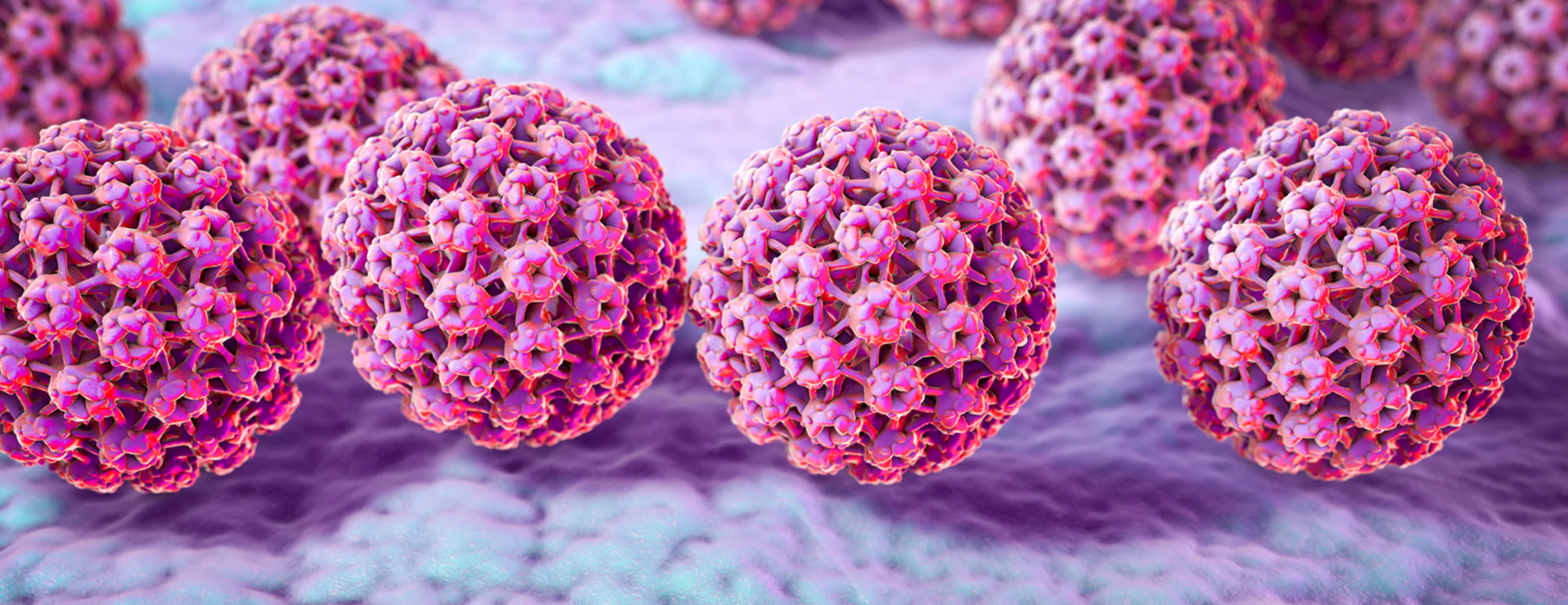
HPV (Human Papillomavirus)
Human papillomavirus (HPV) is a common virus with over 100 strains, many of which can affect your genitals. Some types cause genital warts, while others, classified as high-risk, can lead to cancer. Preventive measures, such as the HPV vaccine and regular screenings, can help lower the risk of developing cancer.
What is HPV?
HPV is a viral infection that can affect various body parts, including the genitals, hands, feet, and face. Over 30 strains of HPV can affect the genital area, including the vulva, vagina, cervix, penis, scrotum, anus, and rectum. Some strains cause warts, while others can lead to cancer.
HPV is the most common sexually transmitted infection in the United States, with approximately 14 million new cases annually. Although many people contract HPV, most don’t know they have it, as it often shows no symptoms.
How Does HPV Relate to Cervical Cancer?
Certain high-risk strains of HPV, particularly types 16 and 18, can cause cervical dysplasia — abnormal cell changes in the cervix. If left untreated, these changes can progress to cervical cancer. Regular screenings like Pap smears help detect these changes early, allowing for treatment before cancer develops.
For individuals under 30, HPV infections often resolve on their own. However, for those over 30, follow-up testing is essential, especially if HPV is detected during a Pap smear.
HPV Symptoms
HPV often causes no symptoms, but genital warts may appear. These warts are rough, cauliflower-shaped lumps that can develop in the genital area. They can be itchy and uncomfortable. High-risk strains may lead to cancer without visible symptoms, which is why early detection through screenings is vital.
How is HPV Spread?
HPV is highly contagious and spreads through skin-to-skin contact during intercourse, oral sex, and anal sex. It can also spread through hand-to-genital contact, though this is less common.
Who Is at Risk for HPV?
Anyone who has sex or engages in close genital skin-to-skin contact can contract HPV. HIV-positive individuals may have a harder time clearing the infection. Men who have sex with men may face a higher risk of developing cancer from high-risk strains and may need an anal Pap test.
HPV in Women and Men
HPV poses a greater risk to women, as it can lead to cervical cancer. Regular screenings like Pap smears help catch any abnormal cell changes. For men, the risks are generally lower, though HPV can still cause genital warts and, in rare cases, penile, anal, or throat cancers. HPV testing and Pap smears are not typically recommended for men.
HPV Complications
While genital warts are an inconvenience, the most serious complication of HPV is cancer. This includes:
- Cervical cancer
- Anal cancer
- Penile cancer
- Throat cancer
- Vaginal cancer
- Vulvar cancer
However, not everyone with HPV will develop these cancers.
Diagnosing HPV
A healthcare provider can often diagnose genital warts through a visual exam. For high-risk HPV, screenings like Pap smears or HPV tests are necessary. In some cases, procedures like colposcopy or visual inspection with acetic acid (VIA) are used to detect abnormal cells.
HPV Treatment
Although there’s no cure for HPV, treatments can remove visible warts and abnormal cells. These treatments include cryosurgery, electrocautery, laser therapy, and prescription creams. For some, abnormal cells may require further intervention to prevent cancer.
Preventing HPV
To reduce the risk of HPV:
- Vaccination: The HPV vaccine is most effective when given before becoming sexually active. It protects against various HPV strains, even after becoming sexually active.
- Regular screenings: Pap smears help detect abnormal cells early, preventing cervical cancer. Women should begin Pap smears at age 21.
- Safe sex practices: Using condoms or dental dams can reduce the risk of HPV transmission, though they don't eliminate it entirely.
HPV Outlook
Most HPV infections clear up on their own, with 90% of infections resolving within two years. For those with high-risk strains, early detection and follow-up screenings are essential to preventing cancer.
Living with HPV
If you have HPV, it’s essential to maintain regular check-ups with your healthcare provider to monitor the infection. Even if you no longer show symptoms, you can still spread HPV. If you have genital warts, they may require treatment, and it’s important to inform your partner so they can get tested as well.
HPV is common, and most infections resolve without causing harm. If you have concerns, talk to your healthcare provider about vaccination, screenings, and preventive measures to protect yourself and your partner.
Need Personalized Kidney Care?
Book a free consultation with our kidney specialists today.