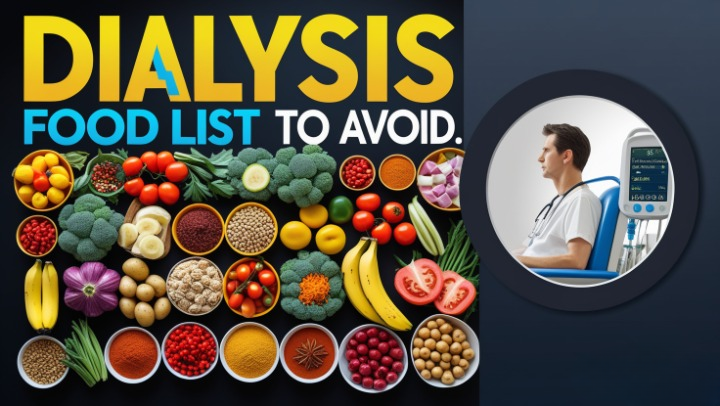
Dialysis Food List to Avoid
Dialysis Food List to Avoid: Essential Dietary Tips for Kidney Patients
Dialysis patients must follow a strict diet to maintain optimal kidney health and prevent complications. Since dialysis cannot completely replace kidney function, limiting certain foods can help reduce toxin buildup in the body. In this article, we will discuss the foods dialysis patients should avoid and the reasons behind these dietary restrictions.
1. High-Potassium FoodsPotassium is an essential mineral, but excessive levels can be dangerous for dialysis patients, leading to heart problems. Avoid:
Bananas
Oranges and orange juice
Potatoes (especially unpeeled)
Tomatoes
Spinach
Avocados
Dried fruits
2. High-Phosphorus FoodsExcess phosphorus can weaken bones and lead to cardiovascular diseases. Limit:
Dairy products (milk, cheese, yogurt)
Nuts and seeds
Processed meats
Dark-colored sodas
Whole grains
3. Salty Foods (High Sodium)Too much sodium increases fluid retention and blood pressure. Avoid:
Canned soups and vegetables
Processed snacks (chips, salted nuts)
Pickles and sauces
Fast food
Frozen meals
4. High-Protein Foods (in Excess)While protein is necessary, excess intake can put stress on the kidneys. Dialysis patients should limit:
Red meat (beef, pork, lamb)
Processed meats (bacon, sausages, hot dogs)
High-fat dairy products
5. Sugary Foods and DrinksFor dialysis patients with diabetes, high sugar intake can lead to severe health issues. Avoid:
Sweets (cakes, pastries, candies)
Sugary drinks (sodas, energy drinks, fruit juices)
High-carb snacks
6. Excessive FluidsDialysis patients often have restricted fluid intake to prevent swelling and high blood pressure. Be mindful of:
Excessive water intake
Soups and broths
Ice cream and gelatin
Healthy Alternatives for Dialysis PatientsInstead of the restricted foods, consider these healthier options:
Low-potassium fruits: Apples, berries, grapes
Low-phosphorus dairy: Almond or rice milk
Protein sources: Skinless poultry, egg whites, fish (in moderation)
Herbal seasonings instead of salt
Final ThoughtsMaintaining a dialysis-friendly diet is crucial for overall health and well-being. Consult a dietitian for a personalized meal plan that meets your nutritional needs. By avoiding these foods and making informed dietary choices, dialysis patients can improve their quality of life and prevent further complications.
For more kidney health tips, follow our blog and stay updated with expert advice!
Need Personalized Kidney Care?
Book a free consultation with our kidney specialists today.