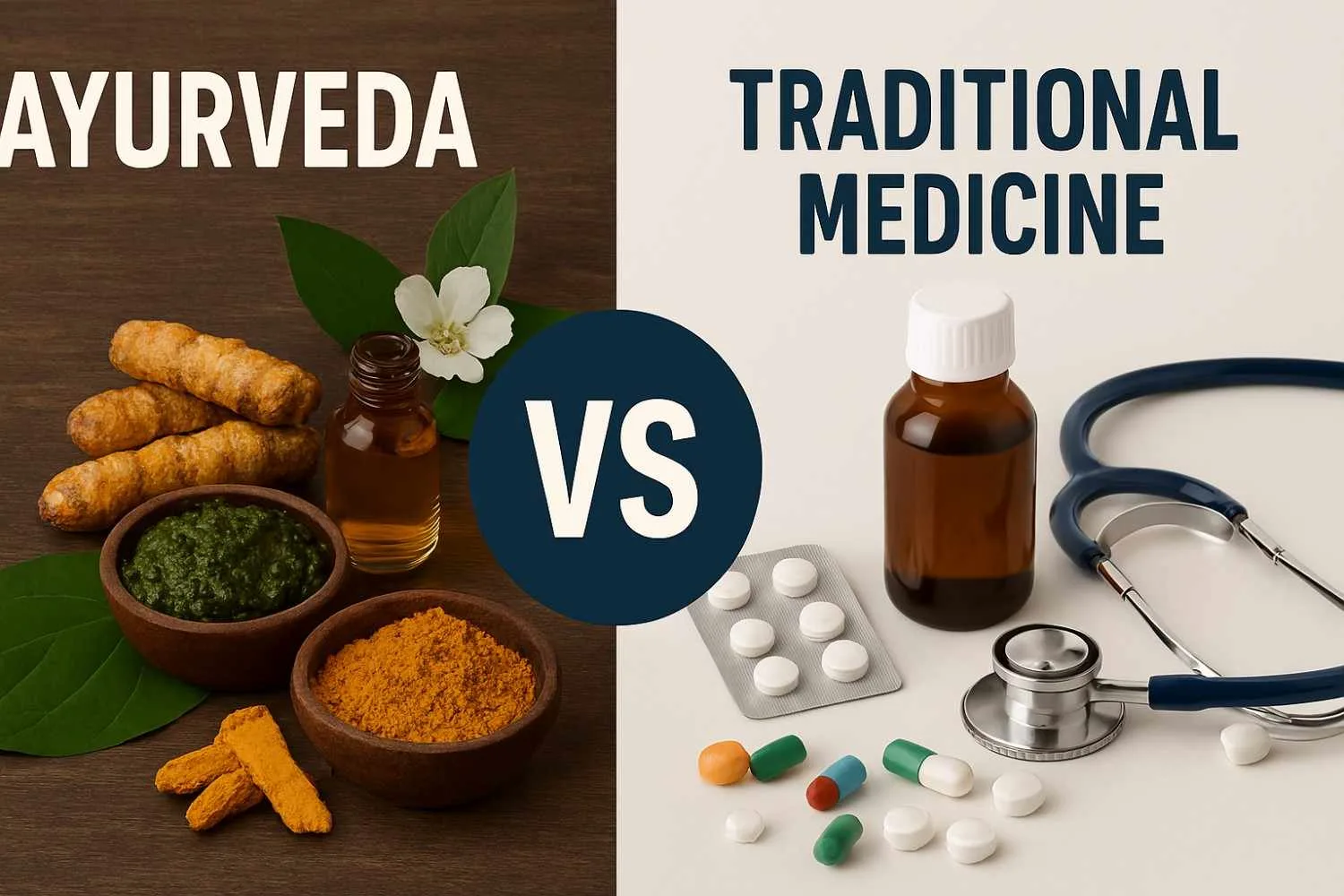
Ayurveda vs Traditional Medicine: Understanding the Differences
Ayurveda vs Traditional Medicine: Understanding the Differences
Healthcare systems around the world are shaped by culture, history, and scientific advancements. Among the most widely discussed healing approaches are Ayurveda and traditional modern medicine (often called allopathy). Both aim to promote health and treat diseases, but they differ significantly in philosophy, treatment methods, and overall approach to wellness. Understanding these differences helps individuals make informed choices about their healthcare.
Ayurveda is one of the oldest healing systems in the world, originating in India more than 5,000 years ago. It is deeply rooted in ancient texts such as the Charaka Samhita and Sushruta Samhita. Ayurveda focuses on balancing the body, mind, and spirit to maintain overall health. It is based on the belief that every individual has a unique body constitution, known as “Prakriti,” which is influenced by three fundamental energies or doshas: Vata, Pitta, and Kapha. According to Ayurveda, disease occurs when these doshas become imbalanced.
Traditional modern medicine, commonly referred to as allopathy, is based on scientific research, clinical trials, and evidence-based practices. It focuses on diagnosing diseases through laboratory tests, imaging technologies, and physical examinations. Modern medicine primarily aims to treat symptoms and eliminate the root cause of diseases using pharmaceuticals, surgical procedures, and advanced medical technologies.
One of the key differences between Ayurveda and traditional medicine lies in their approach to treatment. Ayurveda emphasizes prevention and holistic healing. It uses natural therapies such as herbal medicines, dietary changes, yoga, meditation, detoxification techniques like Panchakarma, and lifestyle modifications. The goal is not only to cure illness but also to strengthen the body’s natural defense system and maintain long-term wellness.
On the other hand, traditional medicine is highly effective in emergency care, acute illnesses, and complex surgical procedures. It provides quick relief from symptoms through medications such as antibiotics, painkillers, and other pharmaceutical drugs. Modern medical advancements have significantly improved life expectancy and the ability to manage life-threatening conditions, infections, and chronic diseases.
Another major difference is the concept of personalization. Ayurveda offers individualized treatment plans based on a person’s body type, environment, diet, and lifestyle habits. Practitioners spend time understanding the patient’s physical, mental, and emotional health before recommending therapies. In contrast, modern medicine often follows standardized treatment protocols developed through clinical research, though personalized medicine is gradually emerging in modern healthcare.
The use of natural versus synthetic substances also distinguishes these systems. Ayurvedic medicines are primarily derived from herbs, minerals, and natural extracts, generally believed to have fewer side effects when prepared and administered correctly. Traditional medicine relies heavily on chemically synthesized drugs that are carefully tested for safety and effectiveness but may sometimes produce side effects.
Both Ayurveda and traditional medicine have their strengths and limitations. Ayurveda is highly beneficial for preventive healthcare, lifestyle disorders, and chronic condition management. Modern medicine excels in diagnostics, emergency treatments, and advanced surgical interventions. Today, many healthcare experts support an integrative approach that combines the strengths of both systems to achieve optimal health outcomes.
In conclusion, Ayurveda and traditional medicine represent two distinct yet valuable healthcare approaches. While Ayurveda focuses on holistic healing and natural balance, modern medicine emphasizes scientific precision and rapid treatment. Understanding their differences allows individuals to choose or combine treatments that best suit their health needs and lifestyle preferences.
Need Personalized Kidney Care?
Book a free consultation with our kidney specialists today.