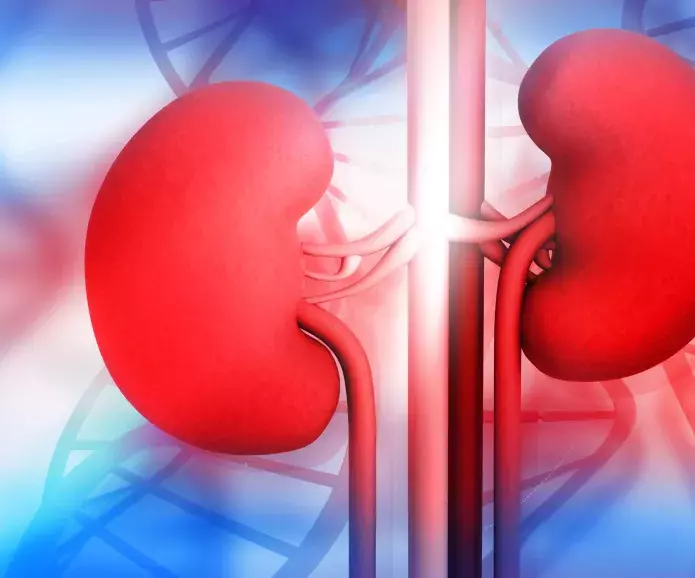
5 Everyday Habits That Slowly Harm Your Kidneys
5 Everyday Habits That Slowly Harm Your Kidneys
Most people think kidney problems only affect older adults or those with serious medical conditions. But the truth is—kidney damage often happens silently and slowly, and everyday habits can play a major role. By the time symptoms appear, up to 80% of kidney function may already be affected. Here are five common habits that may be harming your kidneys without you realizing it.
1. Not Drinking Enough Water
Mild dehydration over years can reduce the kidneys’ ability to filter waste. When urine becomes concentrated, it increases the risk of kidney stones and toxin buildup. You don’t need excessive water—just enough to keep urine light yellow. Listen to your body’s thirst signals instead of ignoring them.
2. Excess Painkiller Use
Frequent use of NSAIDs (like ibuprofen or diclofenac) may reduce blood flow to the kidneys and cause long-term damage, especially when taken for headaches, period pain, or back pain without medical guidance. Occasional use is usually safe, but never rely on painkillers daily.
3. High Salt in Daily Diet
packaged snacks, pickles, fast food, and restaurant meals contain hidden sodium. Too much salt increases blood pressure, the second leading cause of kidney disease. Try replacing salt-heavy foods with fresh fruits, vegetables, herbs, and home-cooked meals.
4. Holding Urine Frequently
Many young adults, especially students and office workers, delay urination due to busy schedules. Holding urine for long periods can increase the risk of UTIs and bladder dysfunction, which may indirectly stress the kidneys over time.
5. Lack of Sleep and Constant Stress
The kidneys work on a circadian rhythm. Poor sleep affects blood pressure and hormonal balance, putting strain on their filtering ability. Aim for 7–8 hours of restful sleep and use simple relaxation methods like deep breathing or evening walks.
Need Personalized Kidney Care?
Book a free consultation with our kidney specialists today.